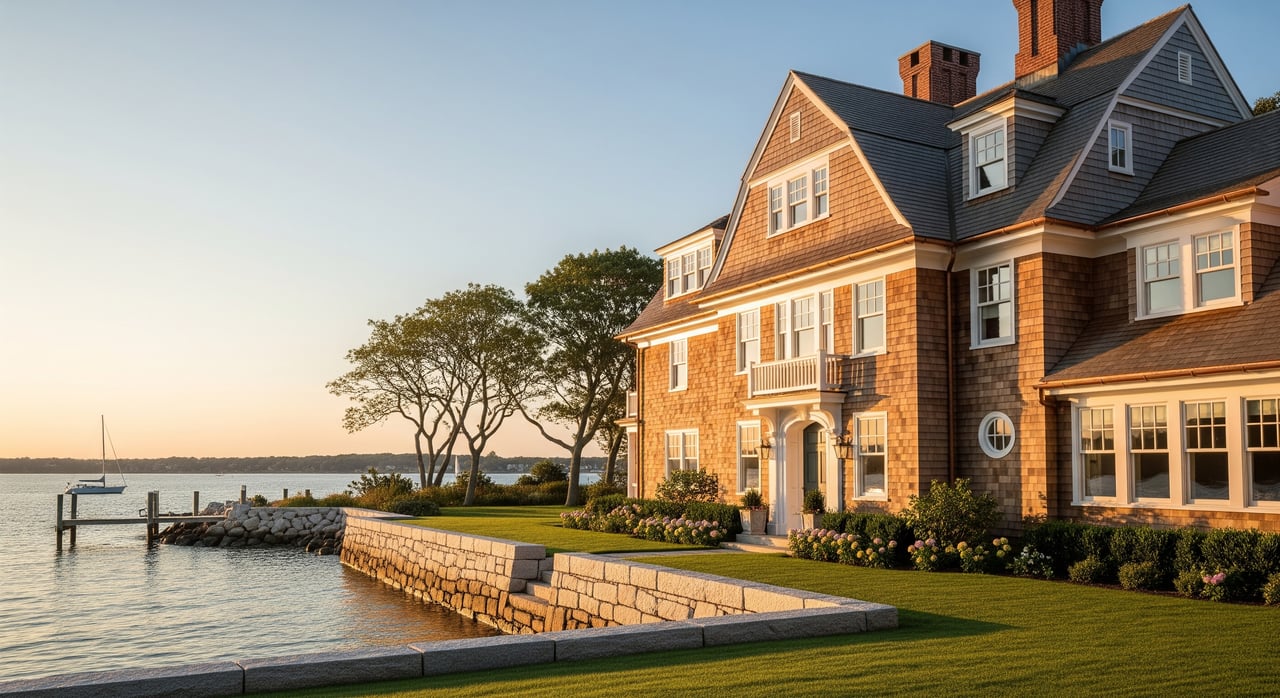
Are you worried about what an appraiser will say about your home in Portsmouth or Newport? You are not alone. On the coast, details like water views, flood zones, and historic rules can change value more than you expect. In this guide, you will learn how appraisals work in Rhode Island, what local factors move value up or down, typical timelines, and what to do if an appraisal comes in low. Let’s dive in.
What a home appraisal is
An appraisal is an independent, written estimate of market value for a specific date. For most residential sales, the appraiser relies on the sales comparison approach, which evaluates recent comparable sales and adjusts for differences. Licensed professionals complete appraisals and must follow professional standards and lender guidelines.
Appraisals are designed to be impartial. The goal is to reflect how the market is behaving, not to confirm a contract price. That is why appraisers lean on closed, arm’s‑length sales and support adjustments with local data.
Who orders and who pays
If you use a mortgage, the lender orders the appraisal and manages communication, often through an appraisal management company. In a purchase, the buyer usually pays the appraisal fee as part of loan costs. Sellers can order a private pre‑listing appraisal, and owners may order appraisals for estate, divorce, or tax needs.
Appraisal types you may see
- Full interior and exterior appraisal. This is most common for purchase loans.
- Exterior‑only appraisal. Used in certain refinance or lower‑risk scenarios.
- Desktop appraisal. Completed using MLS and public data without a site visit for certain limited cases.
- Note: Broker Price Opinions and automated valuations are not appraisals.
Appraisal vs. home inspection
An appraisal estimates market value for financing decisions. A home inspection evaluates the physical condition and safety of systems and components. You may need both, and they serve different purposes.
How appraisers pick comparable sales
The sales comparison approach is the primary method for residential homes. Appraisers analyze nearby closed sales that are recent and similar, then adjust for differences like square footage, condition, lot type, and amenities. The goal is to mirror how buyers in your neighborhood make tradeoffs.
Recency, proximity, and similarity
- Recency. In active markets, appraisers look hard at sales from the past 3 to 6 months. In slower conditions, they may go back up to 12 months and time‑adjust for changing prices.
- Proximity. Comps should reflect the same neighborhood or a closely comparable nearby area. Boundaries and local traffic patterns matter.
- Similarity. Property type, size, bed and bath count, age, and lot features must line up. Waterfront, water view, and inland locations are not interchangeable.
Adjustments and documentation
Appraisers make dollar or percentage adjustments to account for differences between the subject home and each comp. Local behavior drives these adjustments. For example, a high‑quality water view or a permitted dock can carry a meaningful premium in some coastal neighborhoods, while a similar feature might be modest elsewhere. Permitted improvements can support value, while unpermitted work often receives little or no credit.
Data sources appraisers rely on
Appraisers use MLS records, public records, building permits, tax assessments in a limited way, site notes, and seller‑provided documentation. Active and pending listings help show market direction, but closed sales carry the most weight.
Coastal factors that move value here
Portsmouth, Newport, and nearby towns share coastal traits that shape appraisal choices and adjustments. When two homes look similar on paper, these factors can explain big value differences.
Waterfront vs. water view vs. near‑water
- Waterfront with direct access typically commands the highest premium, especially with private docks and navigable frontage. Tidal conditions and protective structures also matter.
- Water views vary widely. A sweeping panoramic view can be very different from a partial, seasonal, or obstructed view.
- Near‑water homes without view or access may carry a smaller lifestyle premium driven by proximity.
Appraisers look for comps that reflect the same category, then adjust within that category based on view quality and access.
Docks, moorings, and coastal structures
Transferable dock or mooring rights can be valuable where boating demand is strong. The condition and permits for docks, seawalls, or bulkheads affect marketability. Documentation of rights and permits helps an appraiser understand the true feature set.
Flood zones, elevation, and insurance
Flood zone status influences financing and buyer perception. Homes in Special Flood Hazard Areas usually require flood insurance with a mortgage. Elevation certificates and mitigation features can significantly change insurability and value. Rising insurance costs can weigh on what buyers are willing to pay, which flows through to comparable sales.
Erosion, storm exposure, and wind risk
Evidence of erosion, storm damage, or costly coastal maintenance can reduce value unless mitigated. Appraisers consider condition and any required repairs, which may lead to larger adjustments or the need for more comparable data.
Historic districts and restrictions
Historic districts in Newport and parts of Portsmouth add character and also add rules. Restrictions on exterior changes can limit renovations, which some buyers view as a negative. Others prize the history and may value these homes more. Tax credits or grants can offset some costs. Appraisers look at local sales to determine which effect is stronger in the current market.
Seasonality and second‑home dynamics
Demand often peaks in spring and summer, and a portion of the buyer pool is seasonal. That affects comp selection. Appraisers prefer sales that reflect similar motivations, such as comparing a seasonal cottage with other seasonal sales in the same period. For investment or second‑home scenarios, short‑term rental potential may be analyzed using the income approach when supported by local rent and occupancy data and allowed by zoning or HOA rules.
Utilities, access, and parking
Septic versus sewer, private wells versus municipal water, and narrow streets or limited parking can all influence value on the coast. Bridge and commute patterns also factor into neighborhood comparisons.
Timelines and validity windows
From order to delivery, most single‑family appraisals take about 7 to 14 days in normal conditions. Complex waterfront or historic properties, summer season volume, or limited appraiser availability can extend timelines to several weeks. Lenders set appraisal deadlines to align with underwriting and closing dates, so plan a buffer if your property is unique or you are closing during the busy season.
Many mortgage products treat an appraisal as current for a limited period, often around 120 days. After that, an update or a new appraisal may be required. Your lender will apply the appropriate guideline for your loan type.
When the appraisal matches or beats the price
If the appraised value is at or above your contract price, financing proceeds on that value subject to underwriting. You move toward closing per the contract.
If the appraisal comes in low
Lenders usually base the loan amount on the lower of appraised value or contract price. If value is short, you have several options.
- Renegotiate the price. Ask the seller to adjust to the appraised value or offer a concession.
- Add cash. Increase your down payment to bridge the gap.
- Request a reconsideration of value. Provide corrected facts or better comps through the lender.
- Use your appraisal contingency. If you have one, you may cancel if you choose not to proceed.
Sellers can accept a price change, offer concessions, submit supporting data, or return to market. The right move depends on timelines, backup buyer interest, and confidence in the data.
How to challenge respectfully and effectively
- Correct errors. Provide evidence if the report missed a bedroom, counted the square footage incorrectly, or overlooked a permitted renovation.
- Share documentation. Submit permits, elevation certificates, dock or mooring rights, surveys, and contractor invoices.
- Present stronger comps. Offer arm’s‑length closed sales that better match location, view, and features.
- Follow the process. Work through your lender or appraisal management company. Do not contact the appraiser directly.
- Consider a second opinion. Your lender may order a review or a second appraisal in some cases.
For one‑of‑a‑kind waterfront or historic properties, expect the appraiser to request more time and local data. A specialist with coastal experience can be necessary for a credible result.
Buyer and seller checklists
Use these quick lists to get ahead of potential issues and help your appraiser work efficiently.
For buyers
- Understand who orders and pays. Your lender orders the appraisal, and you typically pay the fee.
- Plan the timeline. Budget 1 to 3 weeks, longer for unique coastal or historic homes.
- Ask about flood details. Request elevation certificates and insurance information early.
- Prepare for outcomes. Know your options if value is short: negotiate, add cash, or pursue a reconsideration.
- Keep communications clean. Route questions and data to the appraiser through your lender.
For sellers
- Gather documents. Have permits, certificates of occupancy, surveys, and renovation invoices ready.
- Provide coastal proof. Include elevation certificates, flood insurance declarations, and documentation of any mitigation features.
- Clarify water access. Share proof of dock or mooring rights and any transferable permits.
- Note restrictions. Provide historic designation paperwork and any preservation easements or HOA rules.
- Share thoughtful comps. Offer recent, closed sales you believe are comparable and explain why.
Local takeaways for Portsmouth and Newport
- Water matters. The market differentiates sharply between waterfront, water view, and near‑water homes. Appetite for boating access, view quality, and documented rights drives adjustments.
- Flood and elevation details can swing value. Insurability and mitigation features are central to many buyers’ decisions.
- Historic character cuts both ways. Some buyers value authenticity and location, while others are wary of restrictions. Local sales reveal which effect is dominant right now.
- Seasonality shapes comps. Spring and summer sales often set the tone for seasonal or second‑home properties. Appraisers aim to match motivations and timing when possible.
If you are planning a sale or purchase, align your strategy with these nuances. Document what makes your property special, anticipate the lender timeline, and prepare a game plan in case value and price do not line up. When the details are handled upfront, the appraisal becomes another step you can manage with confidence.
Ready to talk through your property’s specific features, flood and historic details, or the best comps to watch? Reach out to Schuyler Horton for a local market consult.
FAQs
Who orders and pays for a home appraisal in a Rhode Island purchase?
- The lender orders the appraisal, usually through an AMC, and the buyer typically pays the fee; sellers may order pre‑listing appraisals privately.
How do appraisers value a water view or a private dock in Newport County?
- They rely on recent closed sales with similar view quality and access, then adjust based on local market behavior and the documentation of rights and permits.
Will a historic designation in Newport or Portsmouth reduce my home’s value?
- It depends on local buyer demand, the extent of restrictions, and any incentives; some buyers pay a premium for character while others value flexibility.
How long does a home appraisal usually take in coastal Rhode Island?
- Most appraisals finish in 7 to 14 days, but complex waterfront or historic homes and busy seasons can extend timelines to several weeks.
What are my options if the appraisal is below the contract price?
- You can renegotiate price, bring additional cash, request a reconsideration of value with better comps or corrections, or cancel if you have an appraisal contingency.
Do appraisers factor in seasonal buyer behavior and short‑term rentals in Newport?
- Yes, they prefer comps with similar buyer motivations and seasonality, and may consider rental income for investment or second‑home cases when supported by local data and rules.